
The Better Fiber
- Jacqueline Bustos
- Feb 11, 2023
- 3 min read

Updated: Apr 24, 2023
You decided to splurge and go on a much-needed shopping trip. One of your goals this year was to start making sustainable wardrobe choices. However, you are out shopping and get a little overwhelmed with all the green buzzwords you're encountering. (organic cotton, B corp, fair trade, etc) Which makes you question if you're making the best possible choice. I totally get it, I have to do extensive research a lot of the time also, despite being in the industry.
I'm here to give you a bit of my knowledge in hopes that I'll help guide you.
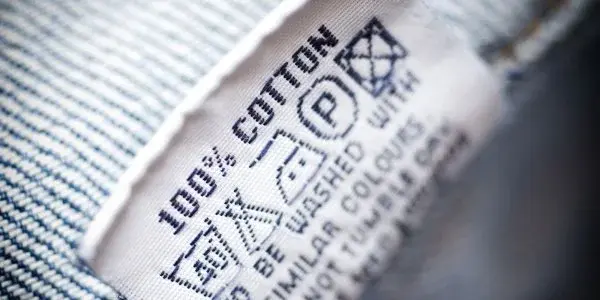
First, let me give you a quick Fabric Science intro! (my favorite)
Fibers: These are the smallest part of the fabric. They are fine, hair-like substances, categorized as either natural or manufactured. Fibers are the ingredients needed to make a fabric.
- by law, all garments have to disclose ALL fibers that make up that piece, which you can find on the care label.
Natural Fibers: These are obtained from plants or animals.
- Plant fibers: may come from stems,(flax, hemp, jute, ramie), leaves (sisal, abaca), or seeds (cotton, kapok) of plants.
- Animal fibers: (wool, cashmere, mohair) come from a mammal's fur they help protect people against the cold in the same way they protect animals. Silk is considered an animal fiber, however, it comes from the cocoon of a silk warm rather than a mammal's fur.
Manufactured Fibers: Also known as man-made fibers are made from chemical solutions that are forced through tiny holes, similar to water passing through a shower head. This device is used to form the filament (like a long string). (polyester, nylon)
I could keep going deeper into the weeds of the fiber process but I want to make this as simple as possible for you. That way, when you're out looking at care labels on garments you can easily identify why something is marketed as being sustainable.
The following chart below explains which are the better fibers:
** This chart does not show all fibers out in the world, just the most commercial.

For example, You are trying to decide between a plain white tee, one is 100% recycled cotton and the second option with another retailer is 100% organic cotton. These are both single fiber which is great because it's easy to recycle. However, 100% Recycled Cotton would be the better option because it is on its 2nd life cycle.
Any fiber that is Recycled (rec) has already gone through the recycling process which means it's been given a second chance thus not going into a landfill.
HUGE NOTE!!
The best way to shop/live sustainably is to use what you already have through its full life cycle meaning until you can no longer wear it or use it. Next, would be to shop for used items & last resort should be to buy a new sustainable alternative. However, remember there is no one perfect way to be sustainable. All that matters is that we are all educating ourselves and striving to make better choices.
The great thing is, technology is constantly evolving so it's my hope that maybe in the next few years, I'll have to update this post because the information is outdated :)
and with all that, just have fun and enjoy the process <3
With Love,
Your Passionate Designer

Footnotes:
1. COHEN, Allen C, and INGRID JOHNSON. “The Textile Industry .” FABRIC SCIENCE, 10th ed., FAIRCHILD BOOKS, NEW YORK, NEW YORK, 2012, pp. 4–15.
Was this helpful?
Write an answer


Comments